One Subject Behind Every Map, Building, and Screen
Every bridge that holds, every route a GPS draws, and every pixel placed on a screen rests on the same subject: geometry. It is the mathematics of where things are, how big they are, and how they fit together — and almost everything built or navigated depends on it.
This page is the starting point. Below, geometry is broken into ten topic clusters, each linking to a detailed guide. Use it as a map: start with the foundations, then branch into whichever area you need.
What Is Geometry?
Geometry is the branch of mathematics concerned with the properties, measurement, and relationships of points, lines, angles, surfaces, and solids. The word comes from the Greek geo ("earth") and metron ("measure") — literally "earth-measurement," reflecting its origins in surveying land and tracking the stars.
At its core, geometry is built from three undefined foundations — the point (a position), the line (a straight, endless path of points), and the plane (a flat, endless surface). Everything else — angles, triangles, circles, solids — is defined from these three.
The Branches of Geometry
Geometry splits into a few major branches, and the clusters further down map onto them:
Plane (Euclidean) geometry — flat, two-dimensional figures: lines, angles, triangles, quadrilaterals, polygons, and circles.
Solid geometry — three-dimensional figures: prisms, pyramids, cylinders, and their volume and surface area.
Coordinate (analytic) geometry — shapes placed on the x–y plane, described by equations: slope, intercepts, lines, and conic sections.
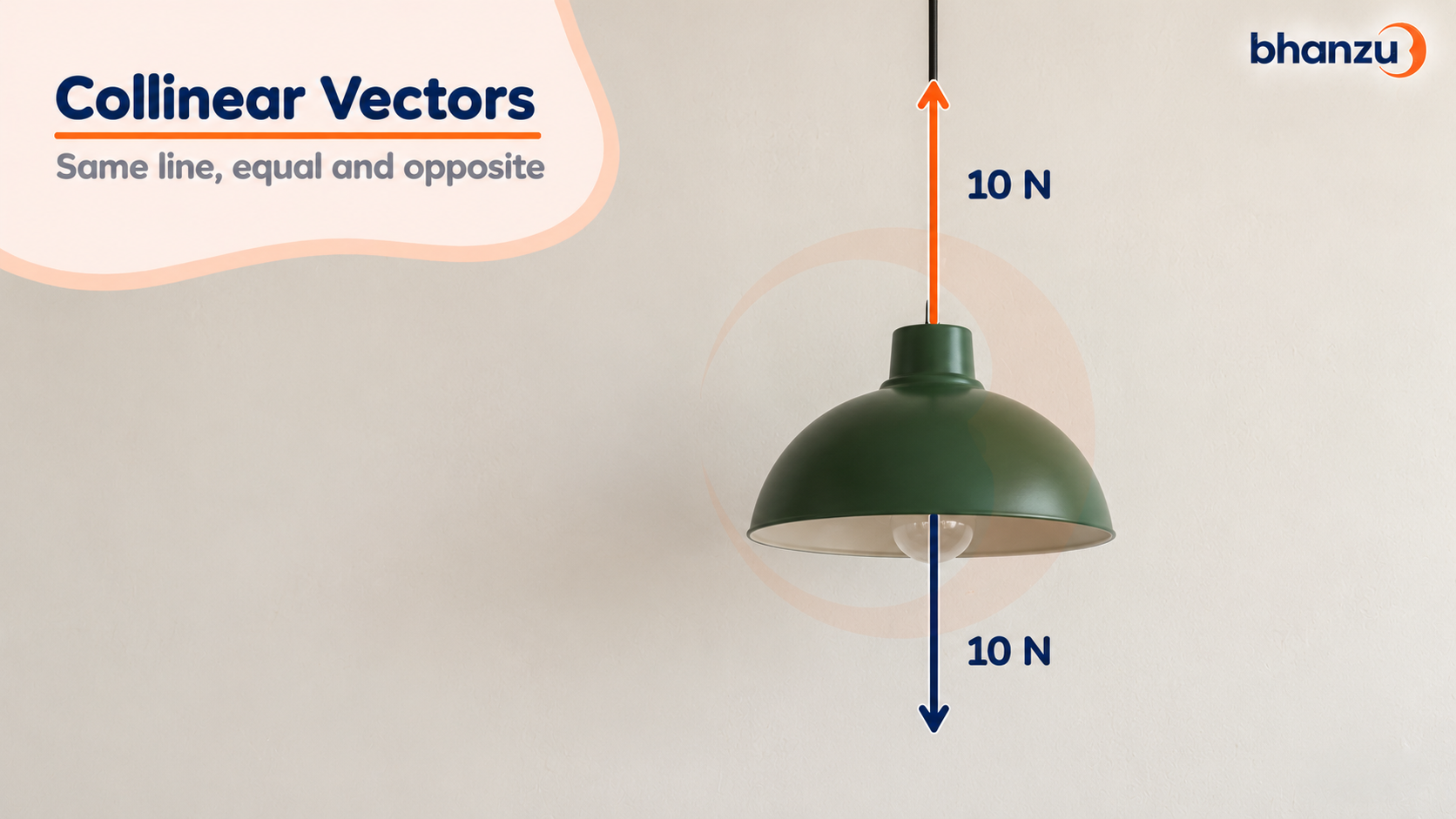
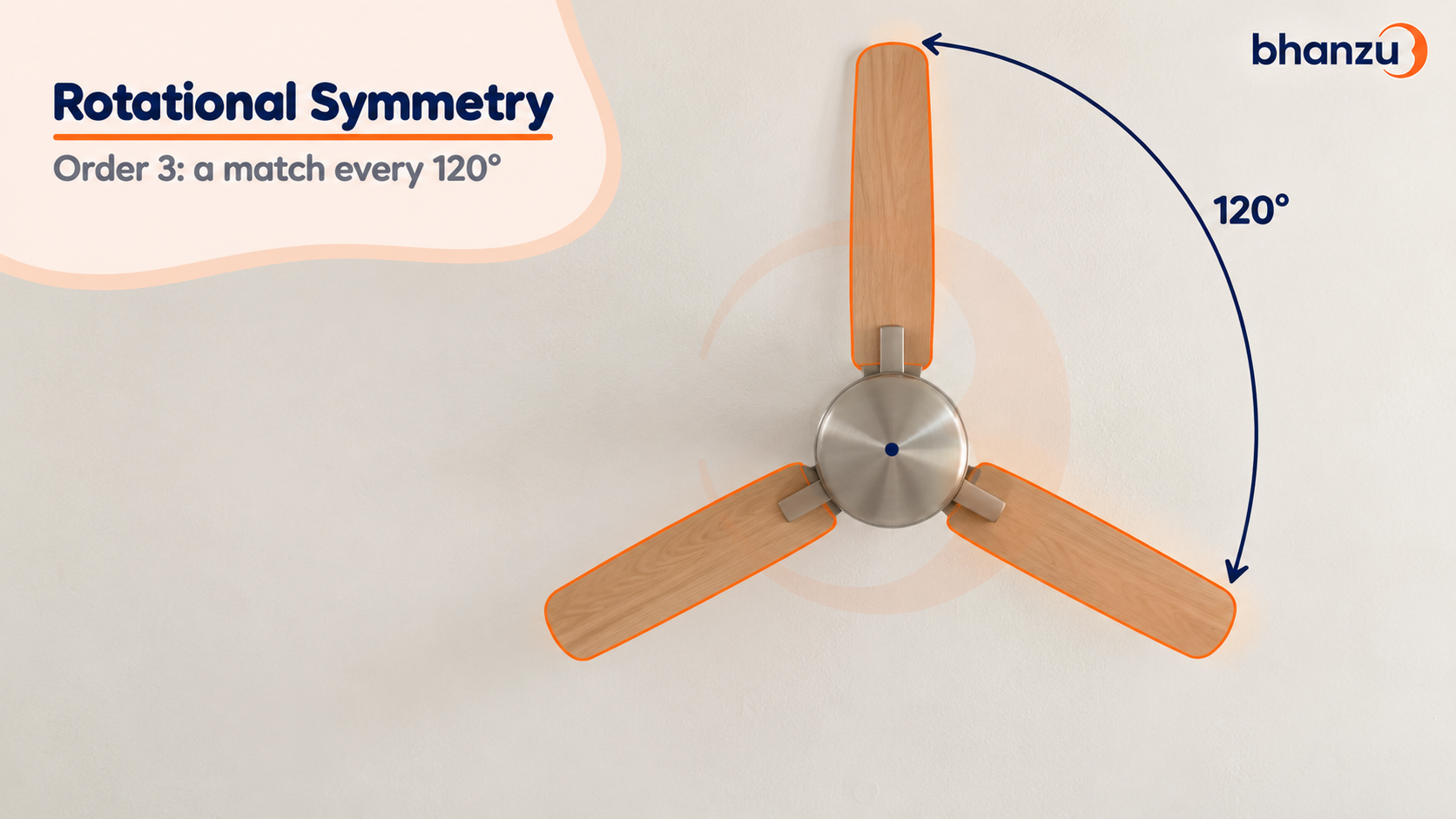
Transformational geometry — how figures move and resize: translations, reflections, rotations, dilations, and symmetry.
A reader new to the subject usually moves left to right across that list — foundations and plane figures first, then solids, then the coordinate plane.
Explore Every Geometry Topic
Browse the full Geometry library below. Topics are grouped the same way this guide is — pick a cluster and dive into any sub-topic.
Foundations: Points, Lines & Planes
The building blocks — points, lines, planes, the shapes they form, how to construct them by hand, and the axioms geometry rests on.
Shapes & Figures Overview
Points, Lines & Planes
Geometric Constructions
Euclid, Axioms & Proof
Angles
Every kind of angle, how angles pair up and relate, degree–radian conversion, and how to measure and construct them.
Types & Measures of Angles
Angle Pairs & Relationships
Degrees, Radians & Reference
Measuring & Constructing Angles
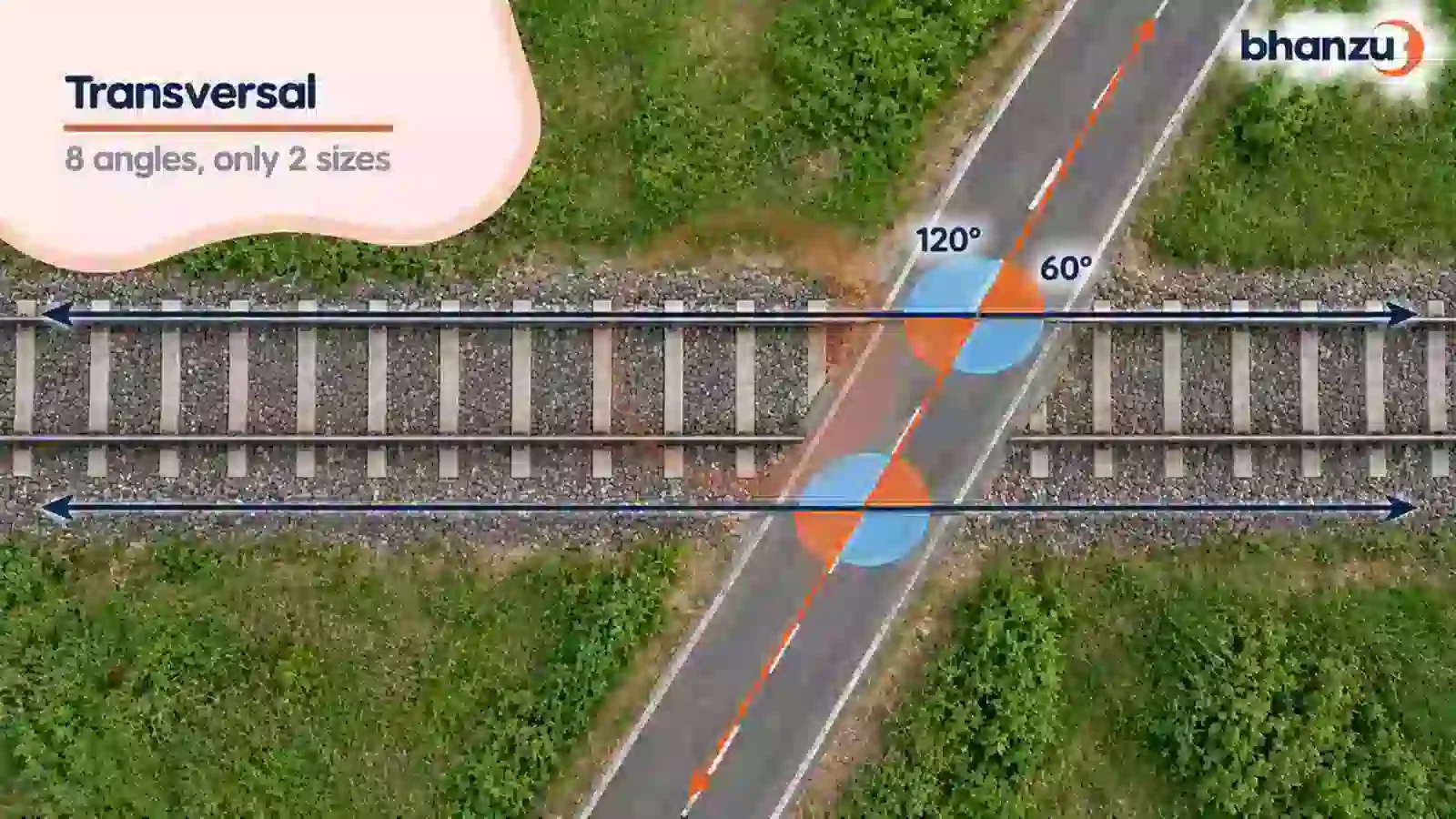
Parallel Lines & Transversals
Parallel and perpendicular lines and the angle relationships a transversal creates.
Parallel & Perpendicular Lines
Transversal Angle Pairs
Triangles & Congruence
Triangle types, their centres and properties, the core theorems, and the rules that prove two triangles congruent or similar.
Triangle Types
Triangle Properties & Centers
Triangle Theorems
Congruence & Similarity
Quadrilaterals & Polygons
Four-sided figures and many-sided polygons — their properties, diagonals, and angle sums.
Quadrilaterals & Special Types
Polygons & Their Angles
Circles
Circle parts and formulas, chords, tangents and secants, arcs, sectors and segments, and the classic circle theorems.
Circle Basics & Parts
Chords, Tangents & Secants
Arcs, Sectors & Segments
Circle Theorems
3D Solids & Mensuration
Solid shapes and how to measure them — prisms, pyramids, cones, spheres, cylinders, and the Platonic solids.
Solids Overview & Mensuration
Prisms
Pyramids & Cones
Spheres, Cylinders & Polyhedra
Coordinate Geometry
The coordinate plane, distances and sections, slope and every form of a line's equation, and coordinates in the plane and in 3D.
The Plane, Points & Distances
Slopes & Line Equations
Planes, Polar & 3D Coordinates
Conic Sections
Parabolas, ellipses and hyperbolas — their equations, foci, directrices, and eccentricity.
Parabola
Ellipse, Hyperbola & Eccentricity
Vectors
Vectors and their operations — representation, components, addition, products, and special vector types.
Vector Basics, Operations & Types
Transformations, Symmetry & Measurement
Transformations and dilation, lines and orders of symmetry, scale, and measurement basics.
Transformations
Symmetry
Similarity, Scale & Dilation
Scale, Measurement & Patterns
Why Geometry Matters
Geometry is the one school subject you can see out the window. It earns its place because it turns up everywhere abstract numbers alone can't reach:
Building and engineering. A roof truss holds because its triangles can't deform — the one rigid polygon. Structural design is applied geometry.
Navigation and mapping. GPS fixes your position by intersecting distance-spheres from satellites; the coordinate plane and the distance formula sit underneath every map app.
Computer graphics and games. Every 3D scene is millions of triangles, rotated and scaled by transformation geometry, then projected onto a flat screen.
Design and manufacturing. From a phone case to an aircraft wing, parts are specified as geometric solids with measured surface areas and volumes.
Geometry is also where many students first meet proof — the habit of arguing from a few accepted truths to a result that must follow. That reasoning skill outlasts any single formula.
Key Takeaways
Geometry studies points, lines, angles, shapes, and space — built from three foundations: the point, the line, and the plane.
Its main branches are plane, solid, coordinate, and transformational geometry.
This hub organizes every geometry topic into ten clusters, from foundations through conic sections, each linking to a full guide.
The most reliable learning path runs foundations → angles → triangles → polygons and circles → solids → coordinate geometry.
Beyond formulas, geometry teaches proof — reasoning from accepted truths to results that must follow.
Start Learning Geometry With Bhanzu
Pick the cluster that matches what you're studying now and open any topic guide above. If you'd like a live Bhanzu trainer to build the full geometry foundation with your child — from the first definition of a line through coordinate proofs — book a free demo class, online globally.
Was this article helpful?
Your feedback helps us write better content