
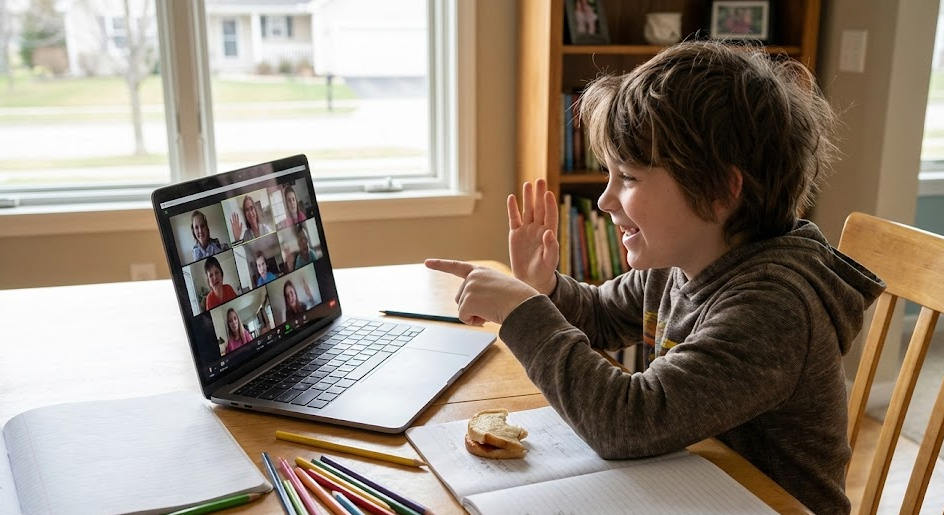
Remote learning has turned the kitchen table into the classroom, and now you are the co-pilot in their educational journey! It's completely normal for kids to lose steam when they're learning from a screen all day. The key is how to keep students motivated even when lessons happen virtually.
Here are practical, everyday strategies drawn from the playbooks of successful teachers and parents for keeping students' motivation high.
1. Create a "Motivation Station" 🖥️
The environment matters! A messy, noisy space drains focus and motivation.
Designate a Workspace: It doesn't have to be a fancy desk, but it needs to be a spot used only for school. Keep it separate from the place they play games or watch TV.
Tidy Up Daily: Help them clear their space at the end of the school day. Seeing a clean slate the next morning mentally prepares them for a fresh start.
Keep Supplies Accessible: Have all their pencils, notebooks, and chargers right there. Interruptions to hunt for a pen break focus and kill momentum.
2. Schedule the Breaks, Not Just the Lessons ⏰
A common mistake is treating online school like one long period of screen time. Kids need scheduled "off" moments.
Follow the School's Schedule: Use the scheduled breaks (recess, lunch, passing periods) as true breaks. No checking social media or starting another assignment.
Enforce Movement: Encourage them to get up and move. A quick walk around the house, a few jumping jacks, or playing fetch with the dog can reset their brain. Movement is essential for focus!
Designate a "Start" and "Stop": When the school day is officially over, make sure the computer is closed. This helps them transition back to family life and prevents burnout.
3. Talk About Effort, Not Just Grades ⭐

Motivation stays high when kids feel like their hard work is noticed, even if the result isn't perfect.
Praise the Process: Instead of only saying, "Great job on your A," try, "I noticed you spent an extra hour studying for that test. Your hard work really paid off!"
Focus on Improvement: If a grade isn't what they hoped for, ask them, "What's one thing you can try differently next time?" This teaches them that setbacks are opportunities for growth.
Stay Positive: Never compare them to a sibling or classmate. Every child learns differently. Let them know, "You've got this, and I'm here to support you."
4. Become the "Link" to the Real World 🗺️
Help them see that what they learn on the screen has a purpose in real life.
Involve Them in Real-World Tasks: If they are learning about percentages, have them calculate the discount during grocery shopping. If they are learning about history, watch a documentary together.
Connect with Interests: Is your child obsessed with video games? Have them research the history of computer programming. Use their passions to fuel their learning.
Check in (Without Hovering!): Ask open-ended questions like, "What was the most interesting thing you learned today?" or "What was the most challenging subject today, and how can we tackle it together?" This shows interest without pressure.
🚀 Make Math a Mental Game! |
Instead of relying on a calculator for simple tasks, encourage quick mental calculations whenever possible (e.g., figuring out a tip, splitting a bill, or calculating how much time is left until a movie starts). Focus on helping your child visualize math concepts like drawing groups of items to understand multiplication to build a deeper understanding, not just memorization. When they understand the "why" behind the formula, their confidence and speed will naturally increase! |
5. Open the Communication Line with Teachers 📧
Remember, you and the teacher are on the same team!
Be Proactive: If you notice your child is struggling, losing motivation, or missing assignments, send the teacher a quick email. Early communication can solve small problems before they become huge obstacles.
Review Assignments Together: Spend a few minutes each week looking at the school platform (like Google Classroom). Help them organize their assignments and prioritize what needs to be done. This teaches them essential planning skills.
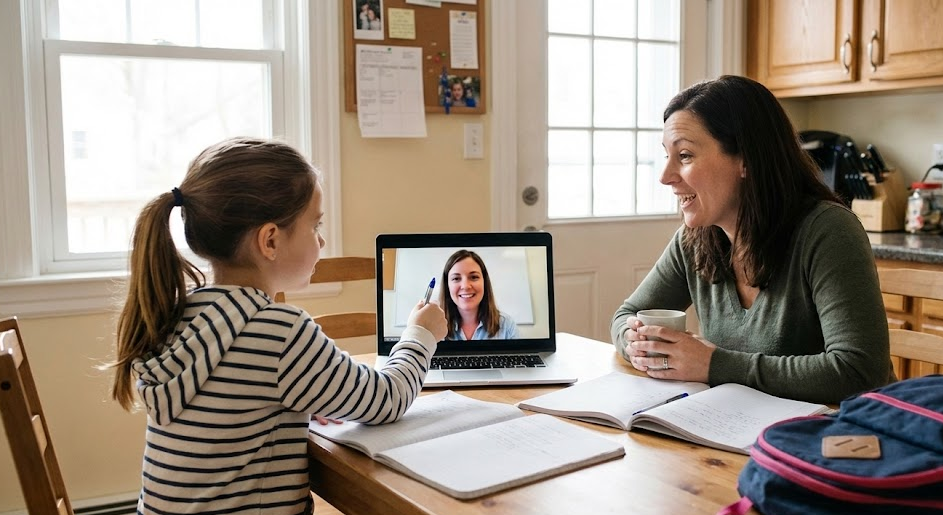
The Ultimate Formula for Remote Success 💡
Your biggest role is to be your child's cheerleader and rock. By creating a supportive environment and emphasizing effort, you’re setting the stage for how to keep learners motivated. Confidence grows, and ways to keep students motivated naturally emerge when learning feels meaningful.
To take your child's confidence and problem-solving abilities to the next level, particularly in math, consider systems that focus on building conceptual clarity and mental calculation speed. Bhanzu offers a structured program specifically designed to transform math learning into an engaging, fun, and fast-paced skill. Book a demo now to get started.
Was this article helpful?
Your feedback helps us write better content