
You walk into a toy store or scroll through an app store, and suddenly you're staring at dozens of fun math games for second graders. Some promise to teach multiplication. Others focus on place value.
The real question is: which one will actually help your child right now?
Choosing the right game means matching it to your child's current skills, challenge level, and learning style. This guide shows you exactly how to evaluate games so you pick ones that build confidence and fill real gaps.
A. Match Games to Your Child's Current Math Skills
Second graders work on specific skills throughout the year. The best games target the exact concepts your child needs to practice.
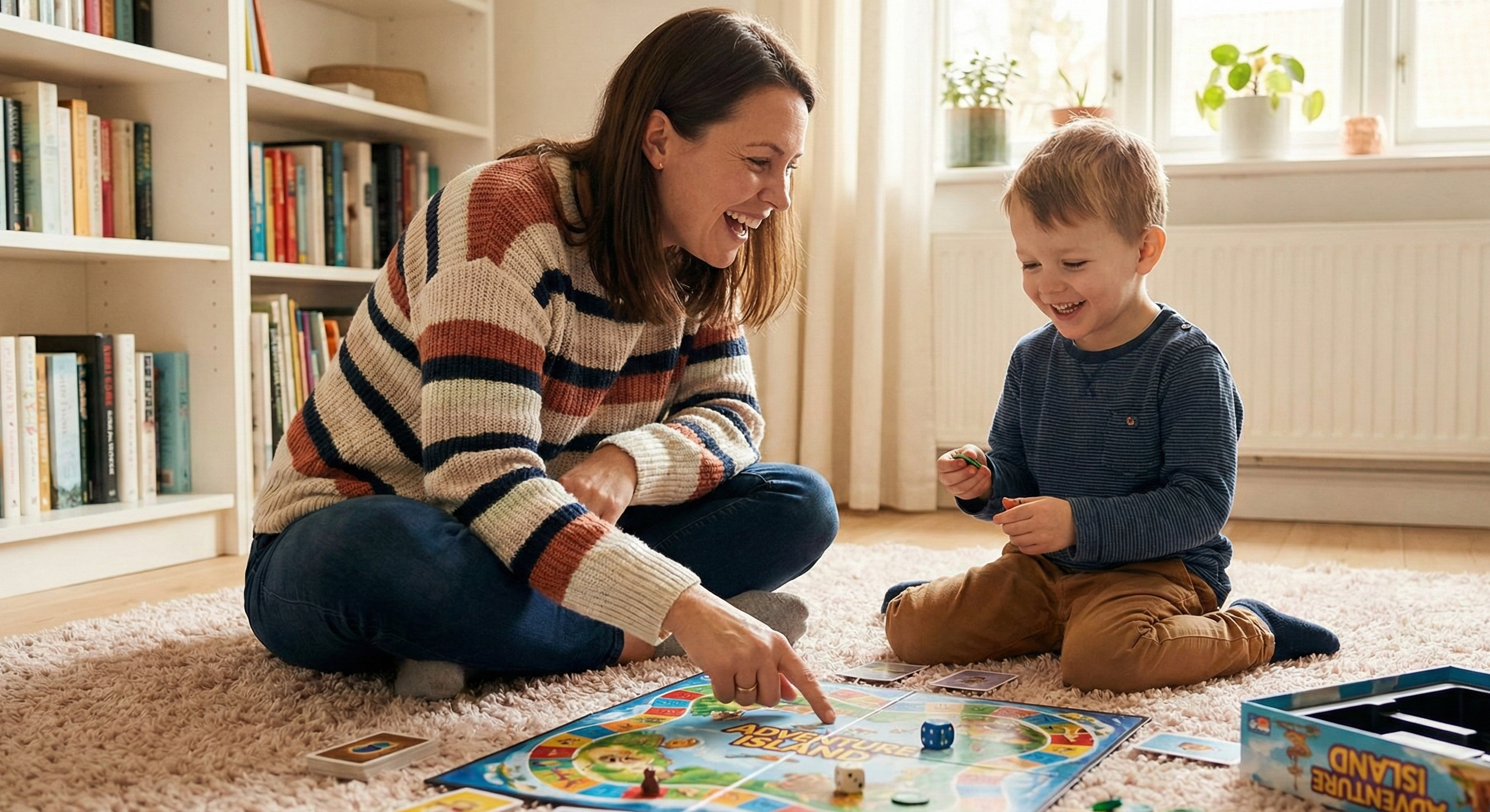
1. Know the Core Second-Grade Math Skills
Begin by understanding the key math skillsets for second graders:
Skill Area | What to Look For in Games |
|---|---|
Place Value | Visual base-ten blocks, number comparison challenges |
Addition & Subtraction | Timed fact practice, regrouping exercises |
Skip Counting | Pattern recognition, number line activities |
Basic Multiplication | Grouping activities, repeated addition |
Measurement | Real-world applications (shopping, clock reading) |
2. Identify Skill Gaps Quickly
Check your child's recent homework or ask their teacher which concepts need reinforcement. If your child struggles with regrouping in subtraction, choose games that specifically practice borrowing.
Quick assessment: Give your child three problems from their current unit. If they get fewer than two correct or take more than a minute per problem, that skill needs targeted practice.
For place value struggles, choose games where children build numbers using tens and ones blocks. For fact fluency gaps, pick timed games focusing on one operation. For word problem anxiety, select games with story contexts and visual supports.
Once you've identified the right skill focus, the next step is finding the appropriate challenge level.
B. Choose the Right Challenge Level to Build Confidence
Fun math for second graders balances challenge and success. Too easy and your child gets bored. Too hard and they shut down.
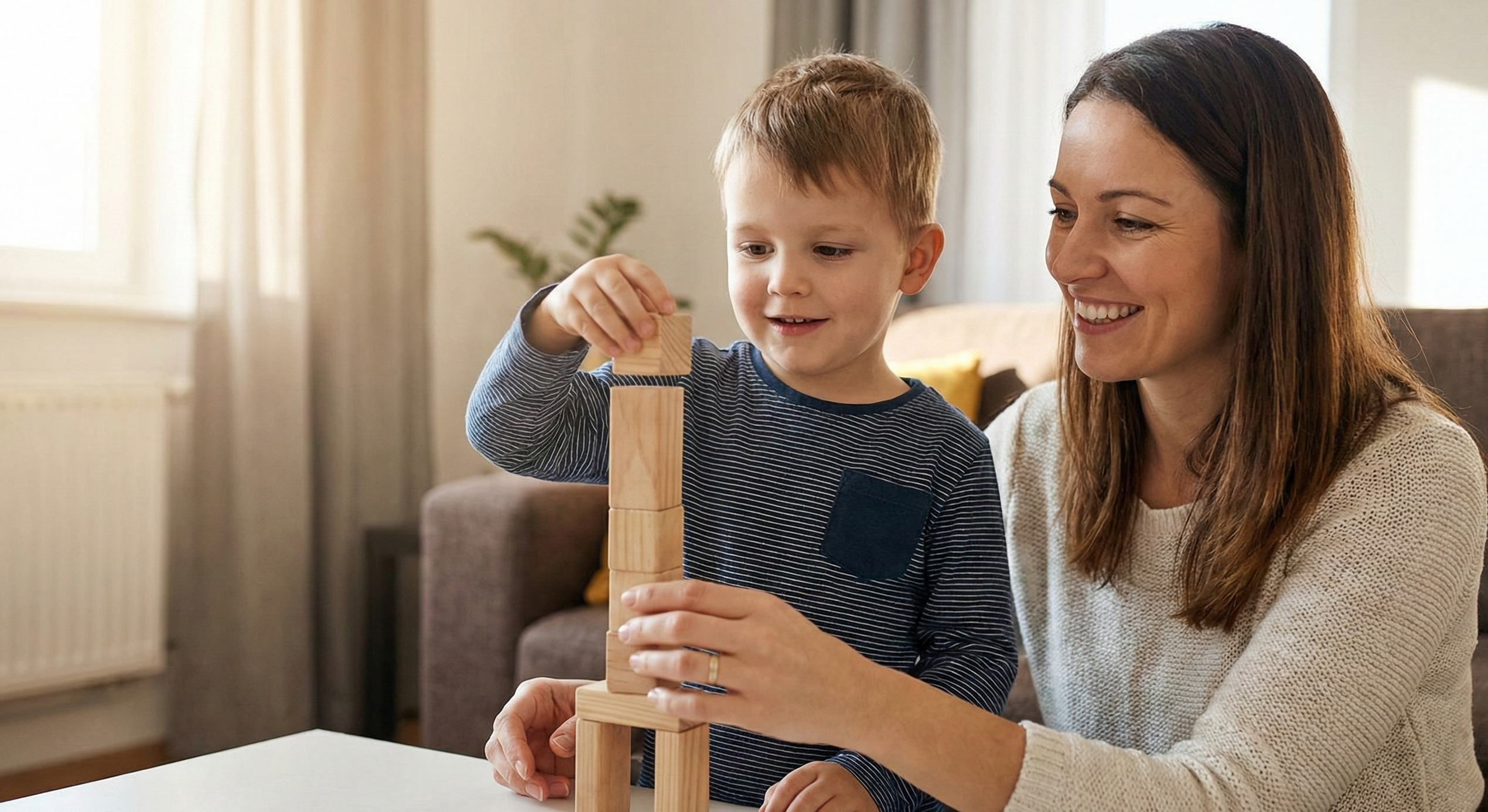
1. Know the Three Challenge Zones
Start by pinpointing the key challenge levels:
Comfort Zone (80-90% accuracy): Your child completes problems quickly and correctly. Use these for warm-ups or confidence building.
Growth Zone (60-75% accuracy): Your child succeeds more often than they struggle but still needs to think. This is where real learning happens.
Frustration Zone (below 60% accuracy): Your child gets more problems wrong than right. Avoid games at this level until foundational skills improve.
How to test: Have your child play for 5 minutes. Count correct answers versus attempts. If they're succeeding 60 to 75 percent of the time, you've found the right level.
2. Look for Adjustable Difficulty
The best games to play with second graders let you modify difficulty. Look for games that adjust time limits, choose specific number ranges, control problem complexity, or set session length.
Flexibility keeps the game useful as your child improves.
Understanding your child's challenge level helps you pick appropriate games, but learning style determines how they'll engage with the content.
C. Select Games That Match Your Child's Learning Style
Making math fun for 2nd graders means choosing games that align with how they naturally process information.
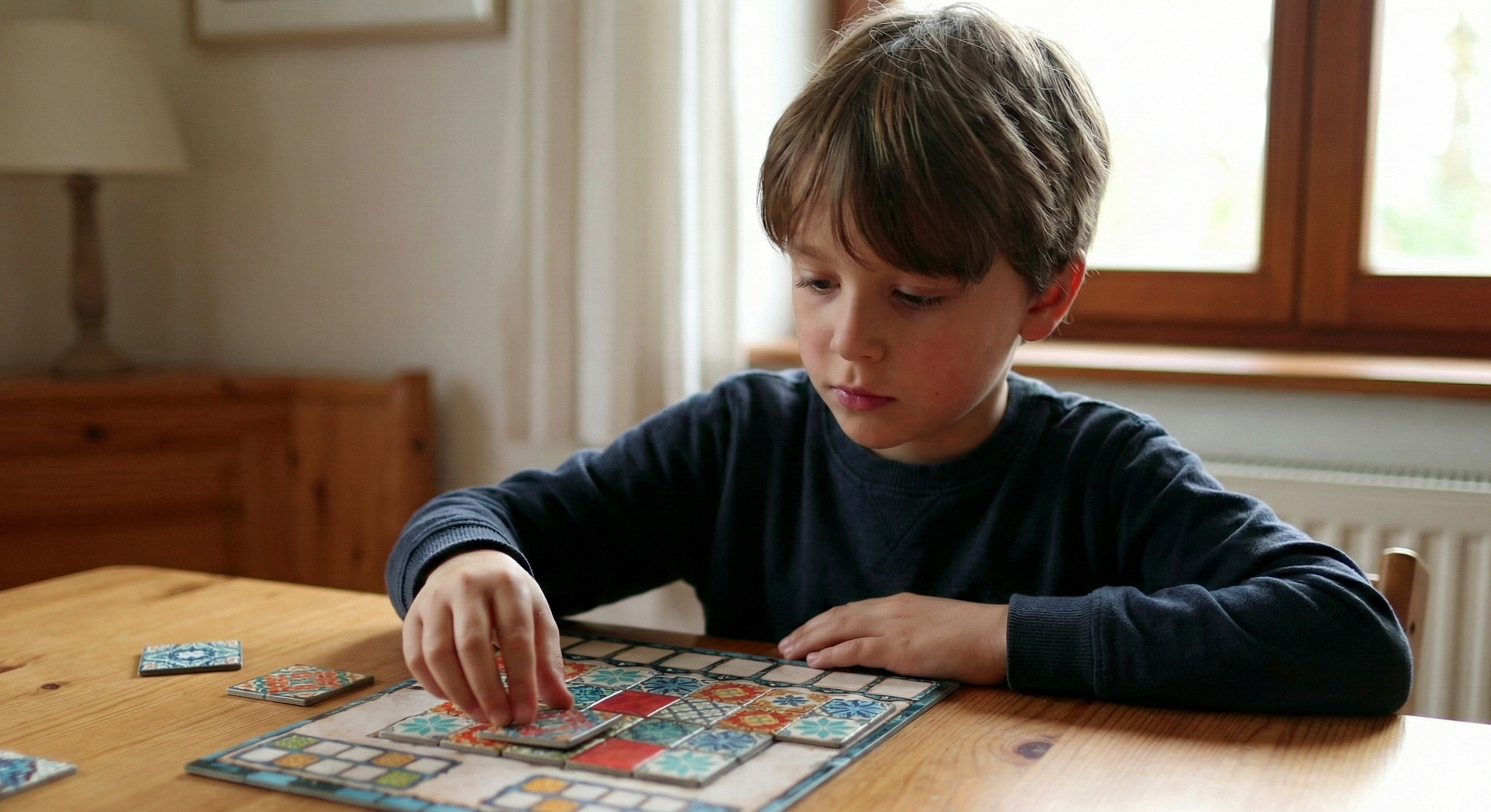
1. Visual Learners
These children understand concepts better when they can see representations.
What to look for: Games with clear visual models (number lines, ten frames, arrays), color-coded problems, and drag-and-drop interfaces.
Example: Place value games where children drag base-ten blocks to build numbers.
2. Kinesthetic Learners
These children learn through movement and hands-on manipulation.
What to look for: Physical games with dice or cards, apps requiring swiping or tapping, and games incorporating jumping or whole-body activities.
Example: Math dice games where children roll, record, and move game pieces based on answers.
3. Auditory Learners
These children benefit from verbal explanations and sound-based feedback.
What to look for: Games with audio instructions, verbal praise, songs reinforcing concepts, and options to explain thinking out loud.
Example: Story-based games where problems are read aloud and children can verbally respond.
Note: Watch your child during homework. Do they draw pictures? (Visual) Count on fingers or tap their pencil? (Kinesthetic) Talk through problems or ask you to read questions? (Auditory). Choose games that support their natural tendencies.
Your Game Selection Strategy Starts Tonight
You now have a clear framework for choosing fun math games for second graders that actually work.
Tonight, identify one skill your child needs to practice. Tomorrow, test a game using the 60 to 75 percent accuracy guideline. This week, observe whether the format matches how your child learns best.
The right game at the right time transforms math from a struggle into something your child chooses to do.
For structured, adaptive math support that automatically adjusts to your child's level and learning style, explore a demo class where concept-first teaching meets personalized practice.
Was this article helpful?
Your feedback helps us write better content