Does math time sometimes feel like a tug-of-war?
A few small changes in how you guide your child can make those moments calmer and more confident. What looks like “struggling” is often just a mismatch between how a child thinks and how the lesson is taught.
The good news is that with a few simple observations and light adjustments, parents can make math time calmer and more reassuring, especially on days that feel harder than expected.
Here’s how to notice what helps your child learn, try two simple activities tonight, and set gentle goals for the next two weeks.
Why One Method Never Works for Every Child
Many of us grew up believing memorization or drills were the fastest way to learn. But children make sense of math through different strengths. A few common ones:
Visual thinkers: Understand best when they can see ideas, such as through diagrams, sketches, colour-coding, charts, and number lines.Language thinkers: Learn by talking through steps, asking questions, or explaining their reasoning aloud.Movement-based thinkers: Grasp ideas through hands-on action, blocks, counters, beads, or physically arranging objects.Pattern thinkers: Notice rules, sequences, and structures quickly. They enjoy puzzles, rhythms, series, or “what comes next” challenges.
A child who freezes during rapid questions may feel comfortable once they sketch the problem. Another who struggles with worksheets may understand instantly when using coins or blocks. These aren’t weaknesses; they are different processing styles.
Children understand math better when they can see, say, or act out ideas in ways that match their strengths. A little variety keeps them confident and curious. It also helps you notice what motivates them, so math time feels calmer and more manageable.
How to Notice What Works for Your Child
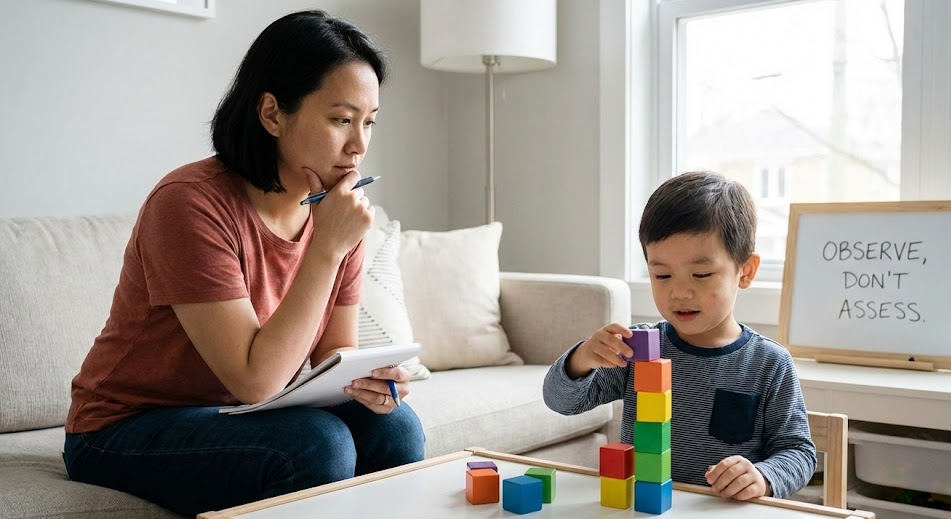
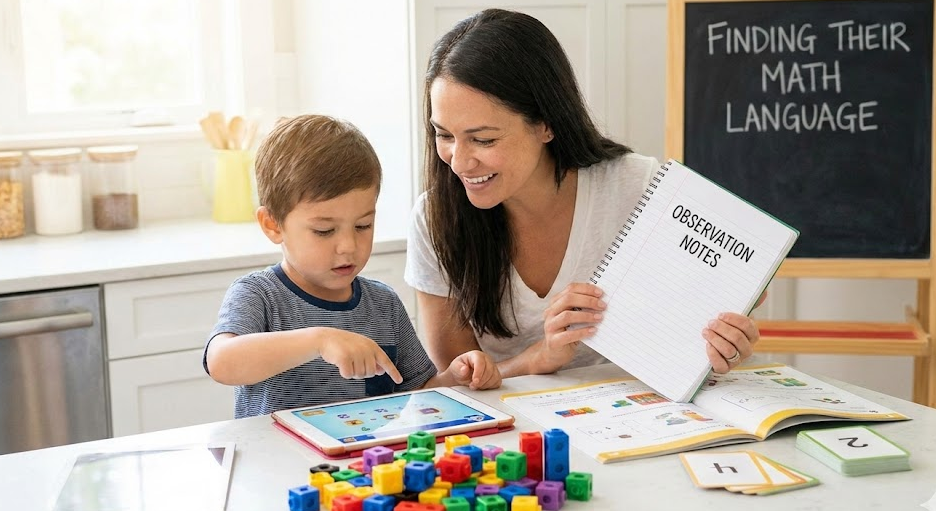
Spend a few minutes watching how your child naturally approaches a problem: no assessments or scores, just signs of comfort and hesitation. Small observations often reveal more than any formal test, especially when emotions run high.
If your child slows down but rarely makes mistakes
They likely understand concepts but need support building fluency.
Use coins, counters, or toys to visualize the problem, such as interlocking cubes or base-ten blocks, to model it.
Then work the steps together by moving pieces, counting groups, or sliding along the line.
Ask, “Can you show me how you figured this out?”
Two-week goal: They can explain why an answer works in their own words.
If your child answers quickly but slips on details
They think fast but need gentle help with accuracy.
Try short, 10-minute number games like doubles, make-10, or quick card sums.
Keep it playful and relaxed.
Two-week goal: Twelve correct answers out of fifteen across three sessions.
If your child loves puzzles or spots patterns easily
Visual and pattern thinkers connect ideas best when they can see relationships.
Offer pattern puzzles, simple logic challenges, or shape sequences.
Ask them what they notice, not what they “got right.”
Two-week goal: Explain the pattern rule in under ten minutes.
You’ll begin to notice what feels natural, a rhythm of learning that blends fluency, visuals, movement, or reasoning. If progress slows, add a visual cue, break a step into two, or switch activities for a day.
Small adjustments often create steady confidence, especially when your child feels unsure.
Make Math Part of Daily Life
Short, simple moments help children feel comfortable with numbers without pressure.
Younger children: Count steps, compare which cup holds more water, sort toys by size or shape.
Middle-schoolers: Guess travel time, estimate grocery costs, or break down a pizza before dividing.
Teens: Compare savings goals or phone plans and discuss trade-offs.
These moments build number sense quietly and naturally.
Progress will still wobble at times, and it’s normal, like any other challenge we navigate with our children.
If your child resists, keep sessions short and end with an easy win.
If they feel overwhelmed, break the problem into three smaller steps.
If they plateau, try the same idea with a small twist, such as a visual aid or a hands-on model.
Consistency matters; it leads to growth. Progress rarely moves in a straight line, and each small effort brings comfort back into the process.
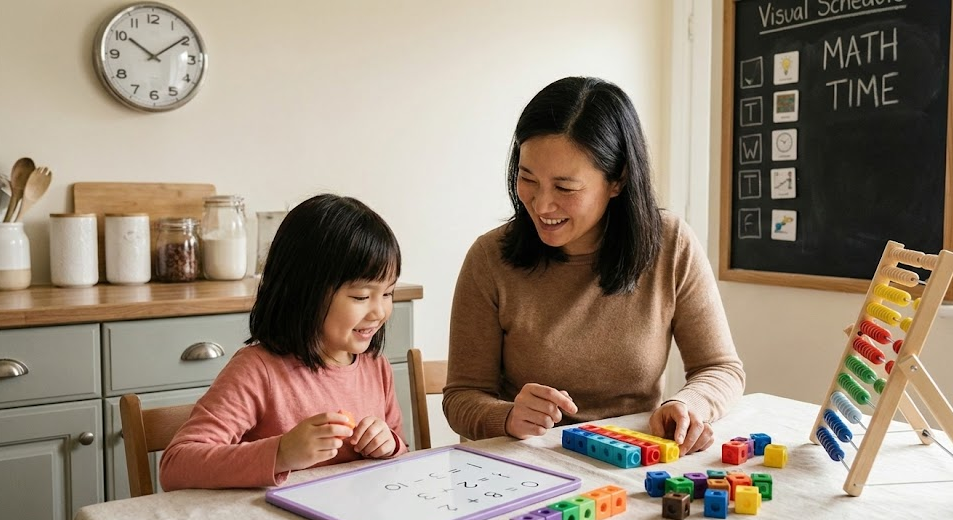
Help Your Child Build a Comfortable Math Rhythm
If math time has felt mismatched before, you’re already improving things by noticing what your child needs. Tonight, try one 10-minute activity they enjoy: a quick card game, a pattern puzzle, or a simple model with coins, and watch how they think, not just what they score.
Confidence grows when learning feels calm, clear, and achievable. If you want guided support designed around your child’s pace and style, explore a demo class to see how Bhanzu helps children build comfort and confidence with math.
Was this article helpful?
Your feedback helps us write better content