The first day of preschool is a milestone that comes with equal parts excitement and nerves, for both parents and children. Tiny backpacks are ready, new routines are about to begin, and suddenly your little one is stepping into a world full of new faces, activities, and independence.
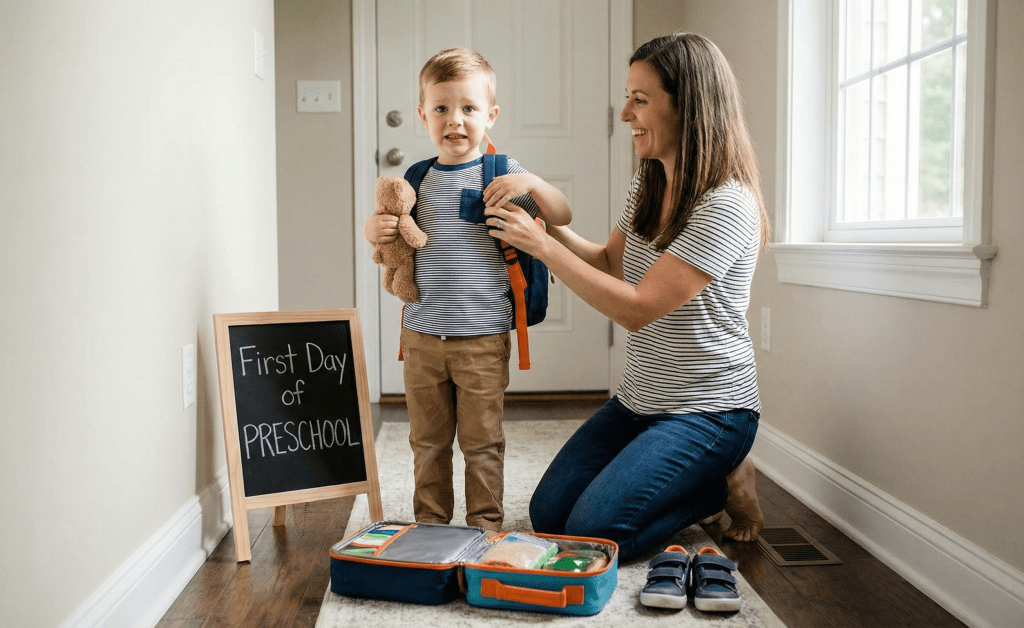
But getting “preschool ready” isn’t just about supplies or outfits. It’s about preparing your child emotionally, mentally, and practically for a big new chapter in their learning journey.
The Checklist That Helps Your Child Walk into Preschool Ready to Shine
Below is a quick, parent-approved checklist to make sure both you and your child are ready for the first day of preschool:
1. The Basics: What to Pack
Use this list of all the items your child will need in school for easy mornings:
A small backpack that your child can carry comfortably
A labeled lunchbox and water bottle
A change of clothes (accidents happen!)
A comfort item, like a small toy or blanket, if the school allows it
Indoor shoes or slippers, depending on school policy
Tip: Label everything! Kids often have similar items, and it saves teachers a lot of guessing.
2. Daily Routines: Practice Makes Perfect
In the week leading up to preschool, start mimicking the new schedule. Wake up, eat breakfast, and get dressed at the same time your child will for school.
Try a “mock morning” where you pack the bag, head out the door, and talk about what will happen at drop-off. Predictability helps children feel safe, when the first day comes, it will feel like a routine, not a surprise.
3. Emotional Readiness: Building Confidence
Even the most excited preschooler can feel a wave of separation anxiety. That’s perfectly normal. What matters is helping them build trust and emotional resilience.
You can:
Read picture books about starting school (like The Kissing Hand or Llama Llama Misses Mama)
Visit the school beforehand so the environment feels familiar
Create a “goodbye routine”(like a hug, a high-five, and a smile) so parting feels positive and consistent
Encourage your child to talk about how they feel. Let them know it’s okay to miss home but remind them they’ll come back with stories to share.
4. Social Skills: Getting Comfortable with Others
Preschool is all about teamwork, sharing, and cooperation. In the weeks before, you can gently encourage these skills through playdates or small group activities.
Practice:
Taking turns during games
Saying “please” and “thank you”
Expressing needs with words (“Can I have a turn?” or “I need help”)
These small habits go a long way in helping your child adapt smoothly to group settings.
5. Independence: Letting Them Try
Preschool gives children their first real sense of independence, such as eating, washing hands, and tidying up on their own. Encourage small responsibilities at home before school begins.
Ask your child to:
Put toys back in a basket after playtime
Manage clothes in the bathroom and know when to ask a teacher for help
Wash hands before meals
Open and close their lunchbox or zipper bag
These moments build self-reliance and confidence, helping them feel proud instead of nervous when doing tasks independently at school.
Making the First Day a Win
Even with the best preparation, emotions can run high on the first day of preschool. Here’s how to make it smoother for both of you:
Stay calm and positive. Children pick up on your energy. If you’re confident and cheerful, they’ll mirror that.
Keep goodbyes short. Lingering too long can make separation harder. Smile, reassure them you’ll be back, and leave with confidence.
Trust the teachers. They’re experts at helping new students settle in. Give them space to build rapport with your child.
Finally, celebrate afterward! Ask about their favorite activities on first day on preschoolor any new friends they made. A little praise turns that first day into a happy memory.
The First Day Is Just the Beginning
Preschool is where confidence begins. Each new skill a child learns, from small routines to brave firsts, helps them trust their own abilities. When children feel capable in their daily world, they become more curious, more willing to try, and more open to learning. That readiness is what turns curiosity into real understanding and sets the stage for academic growth.
If you’re ready to build on that confidence with structured learning, Bhanzu can help. Our math programs focus on understanding and enjoyment, so children develop strong number sense while feeling confident every step of the way. Book a free Bhanzu demo class today and make their first learning milestone the start of something amazing.
Was this article helpful?
Your feedback helps us write better content