When math feels like rules without reason, kids lose interest fast. But math didn’t start as pages of symbols and equations. It began as a way for people to make sense of everyday life. Thousands of years ago, families in Mesopotamia counted sheep with clay tokens, Egyptians measured farmland after the Nile’s floods, and builders used early geometry to raise temples and homes. Later, Greek thinkers turned problem-solving into logic; Indian and Arabic scholars gave us the number zero and algebra tools that shaped how we think today.
Math was born from real needs: counting, measuring, trading, and building. Remembering those roots helps kids see that math is about reasoning and creativity. This guide shares 5 simple lessons from math’s beginnings, plus quick, hands-on examples you can try at home to bring numbers back to life.
So, what are you waiting for? Let's start learning already!
#1 Math Begins When We Tell The Story Of Numbers
Ancient Insight:
Early humans told number stories to make sense of trade, travel, and time. Math was a part of their narratives.
Lesson for Learners:
Math for kids is best learnt when they talk through their thinking. Explaining a problem out loud builds clarity and confidence.
Example: When your child figures out change at a store, ask them to “tell the story” of the transaction like “I had $10, I spent $6, now I have $4 left.” Turning calculation into storytelling helps numbers stick because they carry meaning.
#2 Learning Math Is About Sharing Ideas, Not Winning!
Ancient Insight:
Mathematics was built through cooperation of farmers, builders, and traders refining each other’s ideas.
Lesson for Learners:
Learning math together with their closed ones, like family members or friends, reflects how humans originally invented it.
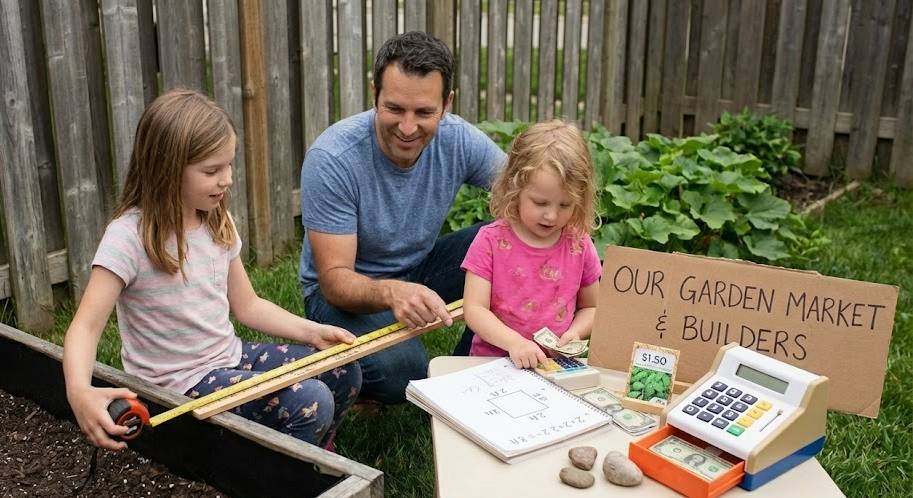
Example: Let siblings or classmates solve one puzzle together while debating strategies, spotting each other’s mistakes, and celebrating when they agree. This teaches that math is about collaboration and reasoning, not competition.
#3 Math Teaches Us To Think Beyond Abstract Ideas
Ancient Insight:
When ancient people replaced tally marks with symbols, they made a leap into abstract thought, like seeing “five” not as five stones, but as a concept.
Lesson for Young Learners:
Abstraction is the bridge between counting and reasoning.
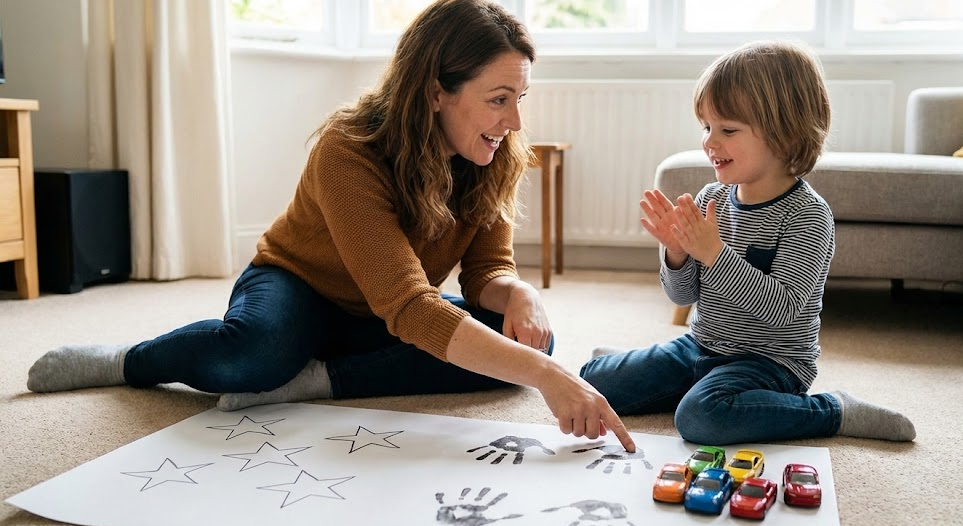
Example: Ask your child to represent “five” without using numbers like drawing five stars, clapping five times, or grouping five toys. Then show how all these represent the same idea. That moment of connection mirrors one of humanity’s biggest intellectual leaps.
#4 Struggle Is The Foundation Of Every Mathematical Breakthrough
Ancient insight:
People once resisted “zero” and “irrational numbers” because they challenged comfort zones; yet those ideas revolutionized math.
Lesson for Young Learners:
Struggle isn’t a sign of weakness; it’s how discovery happens.
Example: When your child says, “This problem is too hard,” remind them that even ancient scholars once said the same. Ask, “What’s confusing you the most?” and work through that one piece. Learning to sit with uncertainty builds resilience and insight.
#5 Math Trains The Mind To See Beyond
Ancient Insight:
Ancient astronomers and navigators used math to forecast seasons, eclipses, and safe voyages.
Lesson for Young Learners:
Math sharpens foresight i.e., the ability to imagine what’s next.
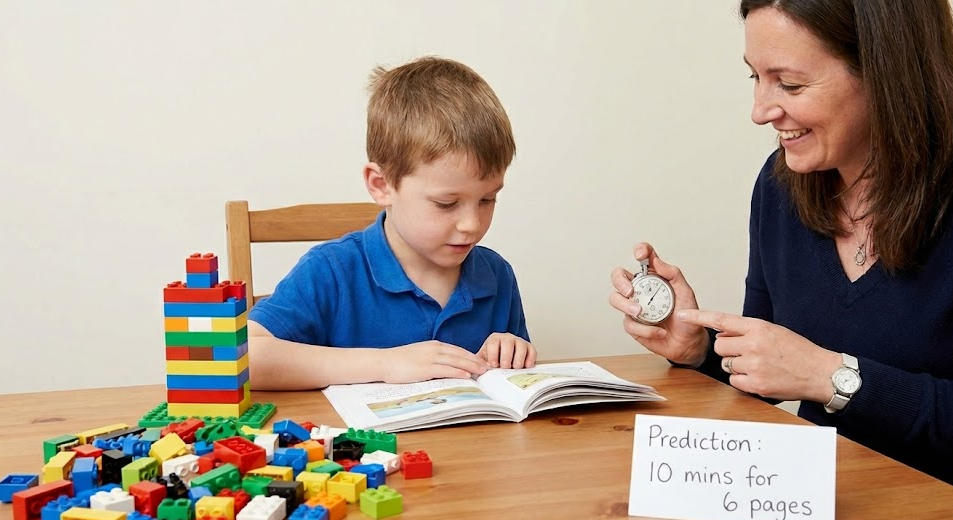
Example: Have your child estimate how many pages they can read in 10 minutes or how long a Lego tower will take to build. Then test it. This builds the same predictive curiosity that ancient thinkers used to prepare for harvests or voyages.
From Ancient Numbers To Modern Confidence
The same spark that once inspired ancient thinkers is already growing in your child; it just needs the space to shine. The origin of mathematics reminds us that curiosity turns confusion into confidence.
Start small: pick one ancient lesson that matches your child’s needs, like teamwork for confidence, storytelling for comprehension, or pattern-spotting for problem-solving. Use real-life moments such as cooking, shopping, or planning a family outing to turn numbers into meaning. When kids see math at work in life, they start owning it.
You don’t need to be a mathematician, just a guide who asks “why?” together. And, if you’d like expert help bringing these ideas to life, try a short demo class for math online to see how hands-on, origin-based math makes thinking click for kids.
Was this article helpful?
Your feedback helps us write better content